
“We Are Dying of Hunger!” Durban Grannies Cry as Jacinta Zuma’s Movement Empties Their Backyard Rooms

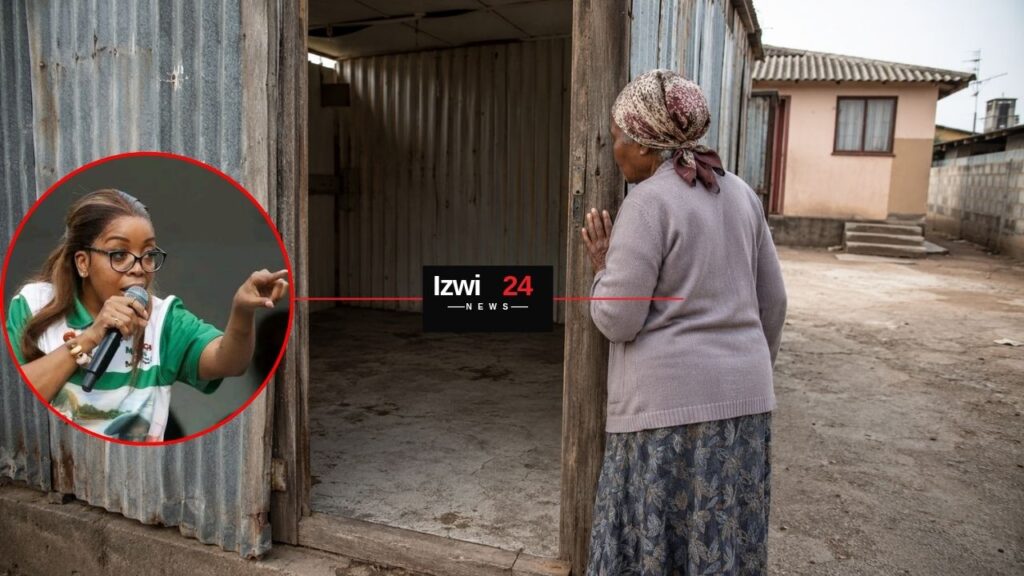
Elderly Durban landlords say they are going hungry after foreign tenants fled their backyard rooms following Jacinta Ngobese-Zuma's March and March protests.
In the dusty backyards of Mayville, KwaMashu and Umlazi, elderly women who once relied on rental income are now skipping meals and begging neighbours for mealie meal. Their simple zinc rooms, long occupied by foreign tenants, stand padlocked and silent. Many of the grannies openly blame activist Jacinta Ngobese-Zuma and her March and March movement for their sudden hardship.Durban grannies are in pain.
Gogo Thembi Dlamini (72), a widow raising three grandchildren in Mayville, could not hold back tears when she spoke to reporters this week.
“We are dying of hunger,” she said, pointing at three empty rooms behind her house. “Those boys from Zimbabwe and Malawi paid eight hundred rand every month without fail. That money bought groceries, electricity and school shoes. Since Jacinta’s marches and the 30 June deadline, they packed their bags and left in fear. Now there is nothing. I ate only pap and water yesterday.”
Similar scenes are playing out across Durban’s townships. Landlords, mostly pensioners and working-class grandmothers, say the backyard rental rooms that once housed foreign nationals working as builders, mechanics, spaza shop owners and domestic workers are now more than 60 percent empty in some areas.
One 68-year-old woman in KwaMashu, who asked to be identified only as Gogo Khumalo, said:
“I had six rooms. Five were occupied by foreigners. They were quiet and paid on time. After the protests started, they left one by one, saying they were scared of being attacked. Some went home, others moved to quieter places. Now the rooms are empty and no local wants to rent them. They say the rooms are too small, or that they don’t feel safe here.”
The Jacinta Factor on Durban Grannies
Jacinta Ngobese-Zuma, leader of the March and March movement, has become the face of the anti-illegal-immigration campaign in KwaZulu-Natal. Her group organised large marches in Durban demanding that undocumented foreigners leave the country and that South Africans be prioritised for jobs, housing and services.
While her supporters praise her for “fighting for locals,” many affected grannies now see her as the reason their only source of extra income has dried up.
“Jacinta must come and see how we are suffering,” said another landlord in Phoenix. “She says she is helping South Africans, but we old women who depend on these rooms are also South Africans, and we are starving because of this thing.”
Municipal sources confirm that many foreign tenants have left the province since late June. Some documented migrants remain camped near Home Affairs offices, too afraid to return to their former communities. Meanwhile, backyard rooms that once generated between three thousand and eight thousand rand a month for pensioners now sit vacant.
Neighbours in several areas report seeing elderly women knocking on doors for food or borrowing small amounts of money to buy electricity. One community worker in Umlazi said quietly:
“These grannies are too proud to beg, but the hunger is real. Some are fainting from not eating properly.”
No Quick Fix
Attempts to rent the rooms to local South Africans have largely failed. Many young locals prefer formal RDP houses or backyard rooms with better facilities, while others are wary of the current tension in the air.
Government officials have warned landlords against renting to undocumented foreigners, adding legal pressure on top of the financial pain.
As winter bites and food prices remain high, the grannies say they are running out of options. Gogo Dlamini summed it up with a heavy sigh:
“We worked hard all our lives and built these rooms so we wouldn’t die poor. Now, because of this politics, we are dying anyway. Someone must help us before it is too late.”
The March and March movement had not responded to requests for comment on the impact on elderly landlords by the time of publication.
Related Stories