
Salary Increases for University Lecturers Approved: Mnangagwa’s Response to Ongoing Strikes?

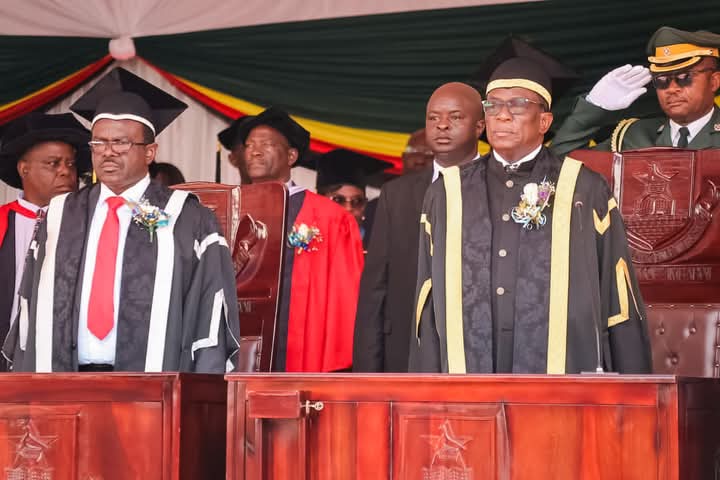
HARARE – In a landmark development for Zimbabwe’s higher education sector, President Emmerson Mnangagwa has approved a new salary structure aimed at improving the financial welfare of university lecturers and staff. This decision is seen as a significant step by the government to address ongoing issues in the education system, especially the industrial actions that have disrupted state universities for months.
The announcement, made on October 22, 2025, by Professor Fanuel Tagwira, Permanent Secretary in the Ministry of Higher and Tertiary Education, Science and Technology Development, during the 2026 National Budget consultations with Parliament, marks the latest move in the government’s efforts to resolve the salary crisis in Zimbabwe’s university sector.
Background: A Sector in Crisis
The decision follows a turbulent few months for Zimbabwe’s higher education system, which has been rocked by strikes since April 2025. University lecturers, particularly at the University of Zimbabwe (UZ), have been demanding better pay to cope with the effects of inflation and the devaluation of the local currency.
The lecturers’ salaries had dropped significantly, with junior staff earning as little as US$230 per month in basic pay (plus a local currency component worth under US$200), a steep fall from pre-2018 levels where they earned between US$2,250 and US$3,000. The Association of University Teachers (AUT), representing academic staff, has been vocal in its demands, calling for salaries to be restored to US$2,250 to US$2,500 per month – an amount deemed necessary to align with regional standards and to ensure that lecturers remain motivated and retain their positions.
The strike has caused major disruptions in the academic calendar, with numerous classes cancelled and allegations of academic fraud, such as unqualified adjunct lecturers teaching courses and unmoderated exams. This situation has raised concerns among the public and prospective students about the quality of degrees awarded by Zimbabwean universities. The government’s approval of a new salary structure is seen as an attempt to resolve these issues.

Source: New Zimbabwe.com
Details of the Approval: What We Know So Far
While exact figures regarding the salary increase have not been disclosed, the government has confirmed that the new structure targets long-term improvements for both teaching and non-teaching staff across state universities. The focus is on ensuring that the adjustments are sustainable and that lecturers are adequately compensated for their contributions to the education system.
However, the implementation of the salary increase highly depends on the timely release of funds. Finance Minister Professor Mthuli Ncube has included a portion of the necessary funding in the proposed ZiG46 billion 2026 national budget, which covers the costs of salaries, operations, and infrastructure development across Zimbabwe’s public universities. The budget also highlights the government’s continued commitment to improving the country’s education system through a Public Sector Investment Programme (PSIP).
Broader Government Initiatives: A Larger Strategy for Education
The salary adjustments come as part of a broader government strategy to revitalize Zimbabwe’s entire education system. The government has outlined plans to establish new secondary teacher training colleges in all provinces, including one in Mhangura, and to transform existing primary colleges. These measures are in line with resolutions made at the Zanu-PF conference and are aimed at expanding and modernizing the education sector.
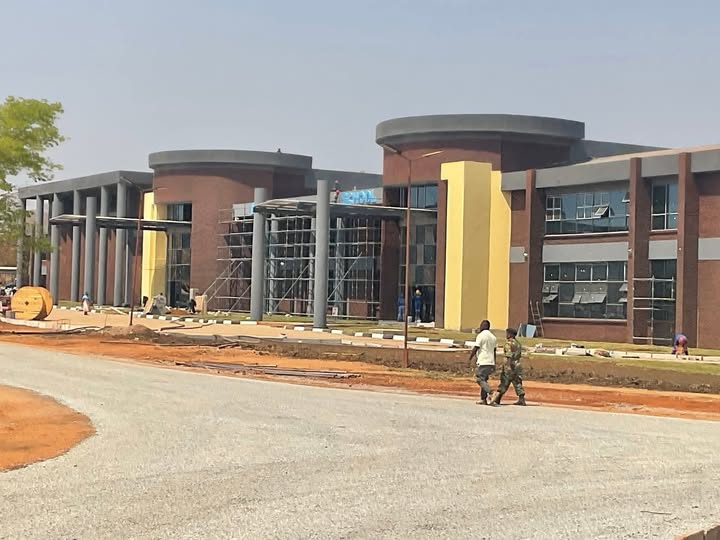
Additionally, the Zimbabwe Manpower Development Fund (Zimdef), which had been struggling financially in 2018, is now fully operational and playing a key role in funding education projects. Despite limited funding, universities have been getting through the tough times – an example being the successful completion of Midlands State University’s Law School, despite receiving only ZiG8 billion in funding last year. These initiatives suggest that the government is committed to improving the quality of education and expanding opportunities for students, although the pace of these reforms has often been criticized as too slow.
Source: News Byte ZW
Reactions: A Mixed Response
The government’s approval of the salary hike has been met with a mix of cautious optimism and skepticism. Professor Tagwira hailed the development as a “critical” move that could help restore stability to Zimbabwe’s higher education system. Dr. Josiah Makombe, Chair of the Parliamentary Committee on Higher Education, also expressed support, stating that his committee would lobby for quick release of the necessary funds and ensure accountability in their use.
However, not all stakeholders are convinced that this approval will lead to immediate improvements. Lecturers, while welcoming the salary increase in principle, have emphasized that the true test will lie in how quickly the government can deliver on the promised funds. The ongoing strike continues, with the AUT stressing that the approval alone is not enough if funding remains delayed, as it had been with previous salary promises.
Moreover, concerns persist over whether the new salary structure will be sustainable in the long term, given the country’s volatile economic situation and history of inflation.
Is This Salary Increase a Turning Point?
It depends! While the government’s approval of a salary increase for university lecturers is a significant development, its true impact will depend on swift and effective implementation. The approval offers a glimmer of hope for the country’s education sector, but it remains to be seen whether it will bring the stability and improvements that are so desperately needed. The next steps are critical: Ensuring that funds are released on time, and that long-term improvements in pay and conditions are realized. Zimbabwe’s higher education system, which has endured significant challenges in recent years, stands at a crossroads. If the government can deliver on its promises, this could indeed mark a turning point in the country’s education landscape.

Related Stories